


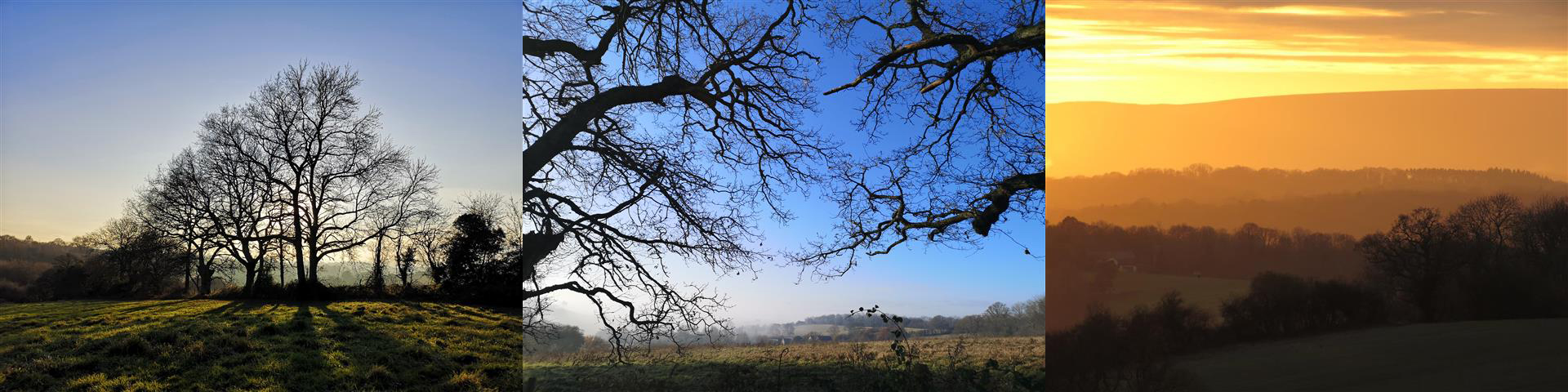


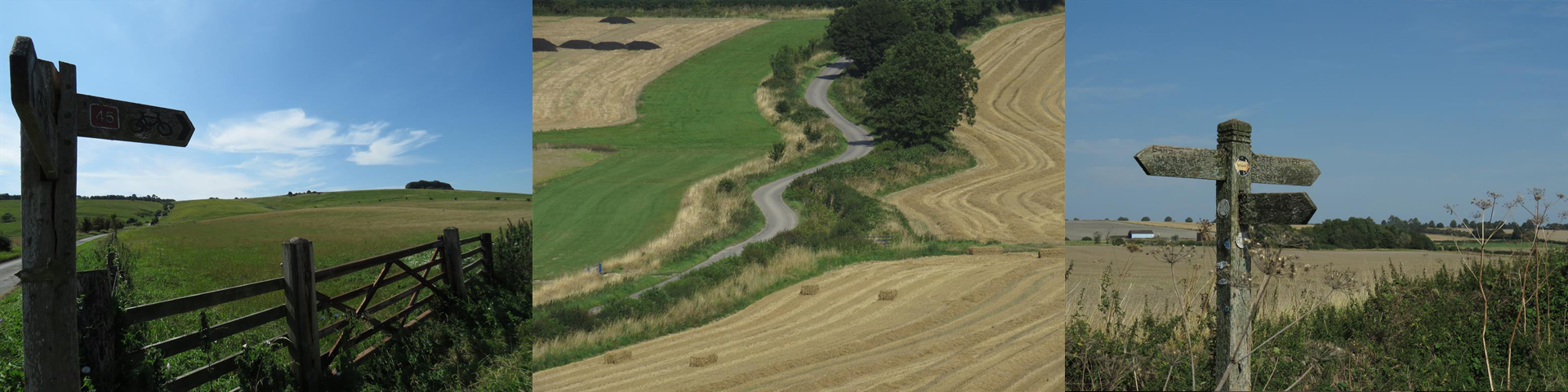


It probably doesn’t come as a surprise to those reading this that I find myself thinking about photography on a regular basis. I love taking my own pictures, trying to capture a moment or document the beauty of the world around me—wildlife, flowers, stunning landscapes. I also run the website and social media for Indian River by Air, a showcase of my father’s aerial photography from around my hometown in Florida, and this has given me a firsthand view of the enjoyment and wonder photography can inspire.
I have also seen the incredible changes photography has undergone in just my lifetime. During my first visit to Europe in 1996, I went through over a dozen rolls of film and managed to kill my father’s camera by taking so many pictures over a 10-day period. It then cost a small fortune to get everything developed and probably only 10% of those photos were worth keeping. Less than a decade later, I had a digital camera in my hands and could shoot hundreds of photos without thinking about it, my only limitations being battery life and the time I had to sort through my snaps afterwards.
Now, social media in general and Instagram in particular have breathed new life into how we take and consume photography. The ubiquity of smartphones means that a camera is usually in our hand or our pocket, and sharing pictures with friends, family, and strangers across the globe can be achieved in seconds at the touch of a button. Yet there is an irony to this. Although the technology is always available, only the positives tend to get shown, a person’s showreel rather than a faithful documentary of daily life.
For a while now I’ve been contemplating writing a blog post about how photography is giving us an unreal view of the world. It’s not just careful curation that’s to blame, but rather the tendency to alter photos to match an idealised (and often imagined) perspective of reality. This can be through something as simple as an Instagram filter, the use of a graphics package like Photoshop, or, my primary bugbear, the overuse of HDR (high dynamic range) and related effects.
Most people are familiar with the idea of airbrushing, and recognise that the models we see in magazines or advertisements have likely undergone considerable editing. But landscapes? The goal of HDR is to increase the dynamic range—the ratio of light to dark—in photographs, and in the right hands, with the right subject, it can absolutely improve an image. But when used indiscriminately for everything, or when brightening is taken to extremes, photos take on the tint of a carnival: a bright veneer that bears no semblance to reality.
On Indian River by Air, for example, any editing is done with a very light touch so the image is as close as possible to what the photographer sees. Yet time and time again I see IRBA photos shared by people who think it necessary to run the pictures through an editor to “improve” them. First, this is a bit rude; can you imagine someone saying, “Hey, Vincent, your yellow isn’t bright enough. Let me get it for you, those sunflowers really need to pop!” Second, there is the implication that the real beauty of the area isn’t enough, that it needs to be tarted up.


These photos from Indian River by Air go from unedited to a touch brighter to major editing. It’s the latter I tend to see more and more on Instagram, Twitter, and Facebook.
However, I recently caught Eamonn McCabe’s lovely BBC programme, Britain in Focus: A Photographic History, which has helped me put recent developments into perspective. This 3-part series starts with the dawn of British photography, William Henry Fox Talbot’s experiments just down the road from me in Lacock Abbey, and traces the journey from ground-breaking scientific discovery to art form to its role in documenting the good, the bad, and the mundane.
While this path is interesting in its own way, what jumped out at me was how these issues that swirl around editing are not new, but have rather been part of the technology from the beginning. Manipulating photos to achieve a desired look occurred well before Photoshop came on the scene, whether it was by directly editing the negative or careful staging, as is thought to have been done in one of the first pictures of warfare. In the 1920s, Cecil Beaton added to glamour to portraits with his smoothing effects and, in perhaps the closest parallel to the modern love affair with HDR, the John Hinde postcards of 1960s carefully enhanced the colouration of images to provide a Technicolor view of the British holiday.

You will still find me grumbling about the over-manipulation of images, but I recognise that it’s a subjective preference … and it’s very clear that it’s not going away any time soon. But I still believe that reality is pretty exquisite in its own right, which is why the photos here or on Indian River by Air, are as close as possible to how nature intended.

